SEE IT YOURSELF
ADAS CALIBRATION
The camera behind your windshield reads the lanes. Radars measure the traffic ahead and behind. Aimed right, those eyes warn you — and can even brake for you. We set their aim back to factory standard, and document it in writing.
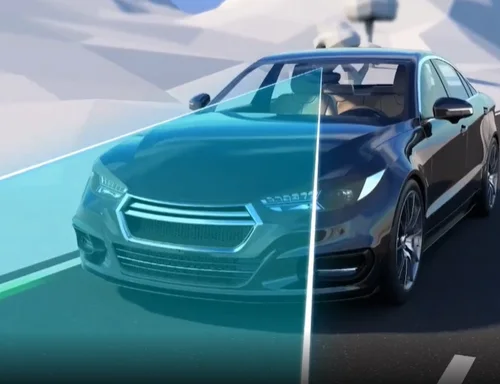
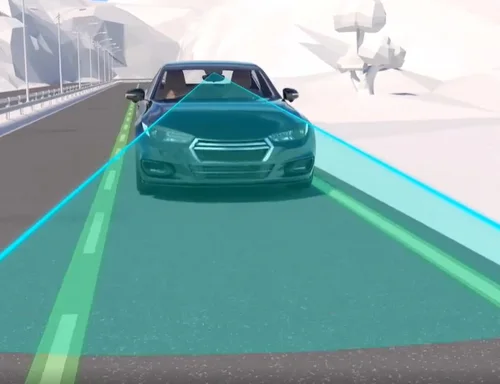
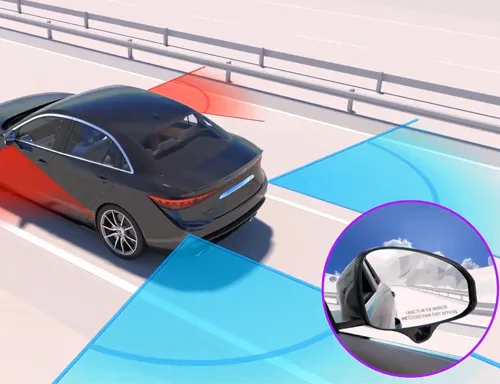
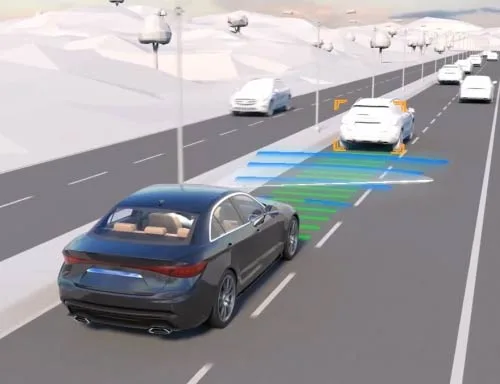
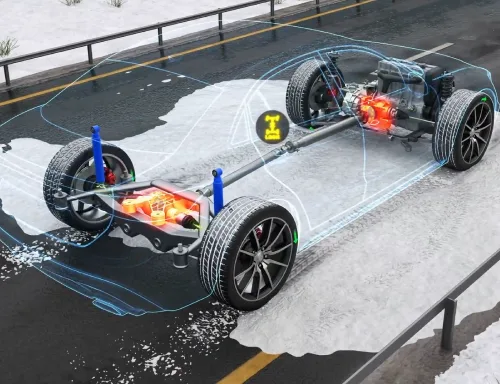
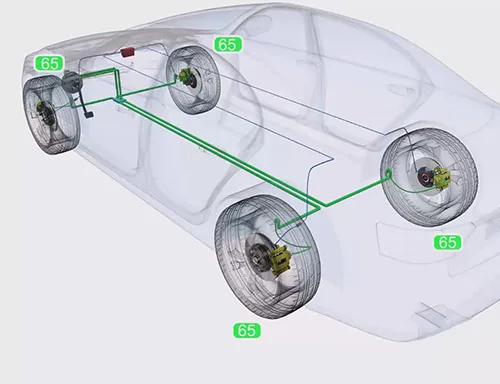
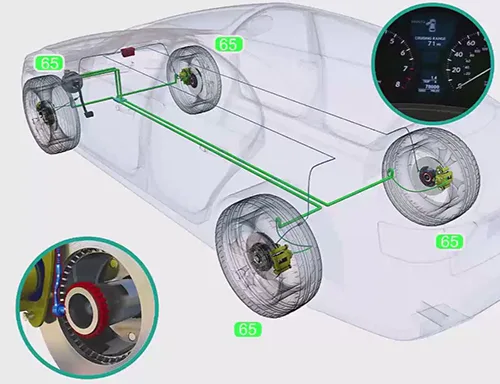
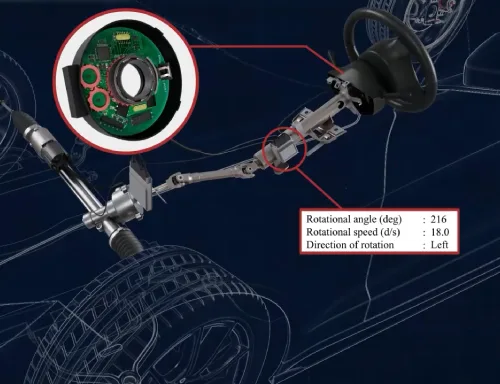
Tap any video — it opens in a new tab.
WHAT ADAS IS
Your car watches the road.
We make sure it reads it right.
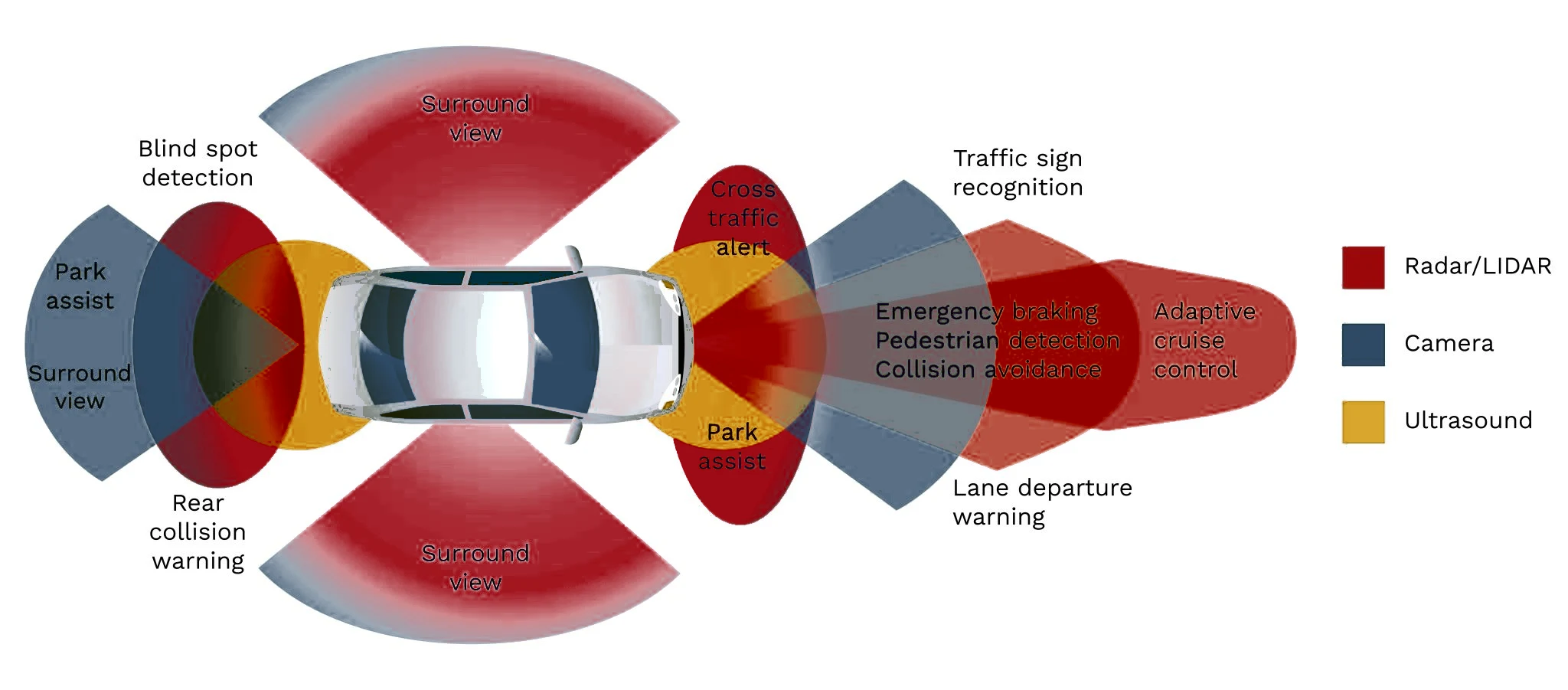
Cameras, radars, lidar — a laser that measures distance using light — and parking sensors feed the modules that watch for lane drift, closing speed, blind spots and obstacles — warning you, steering with you, braking when a second matters. Every one of those systems trusts its aim. A camera sitting a fraction too low reads the world a fraction too late: the difference between a scare and an accident.
Think of it the way your own body works: the sensors are the senses, the car’s computer is the brain, and the steering, brakes and throttle are the muscles. The senses gather, the brain decides, the muscles act — faster than any driver can. But senses pointed the wrong way feed the brain a wrong world.
Calibration is the factory procedure that sets that aim again after anything moves — the sensor, the body around it, or the car under it. It is measured work, on measured equipment, and it ends with a written record: pre-scan, calibration, post-scan.
THE SYSTEMS
Eight sets of eyes. One aim.
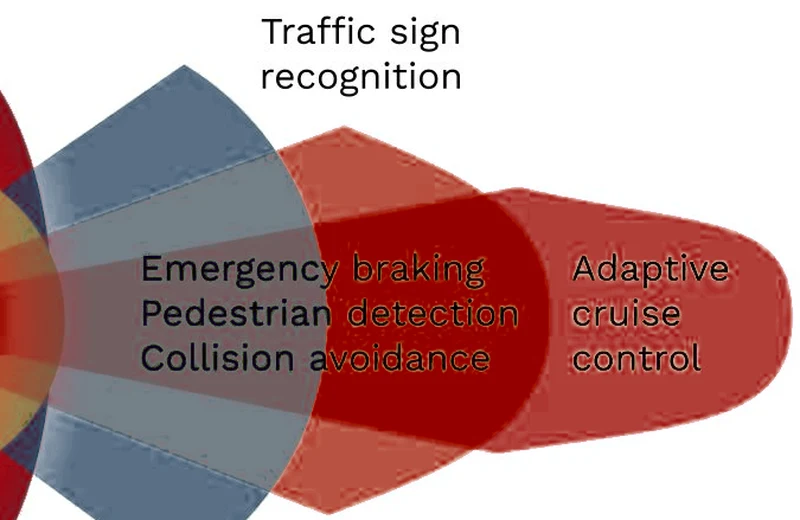 Front camera & lane systems
Lane departure, lane keeping, traffic sign recognition.
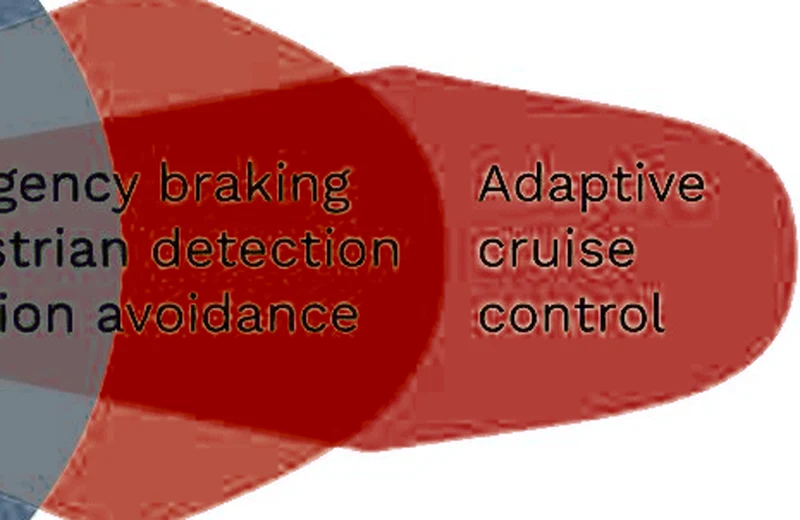 Adaptive cruise radar
Distance keeping and automatic emergency braking.
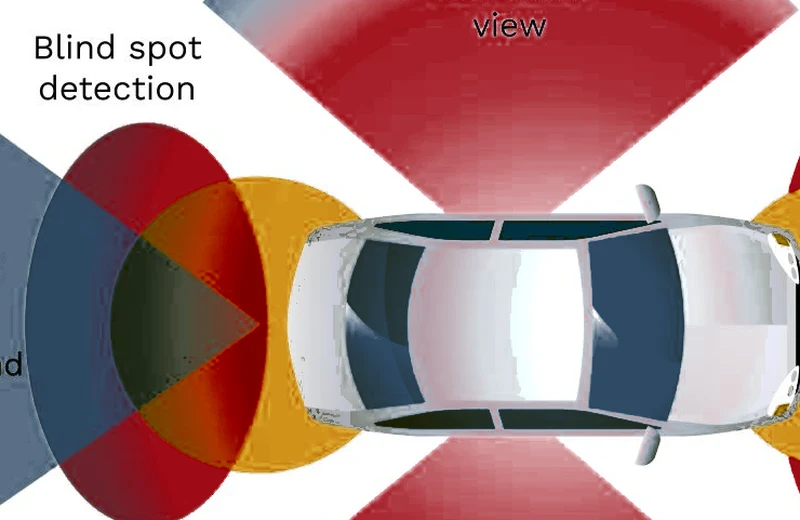 Blind spot monitoring
Rear radar units behind the bumper corners.
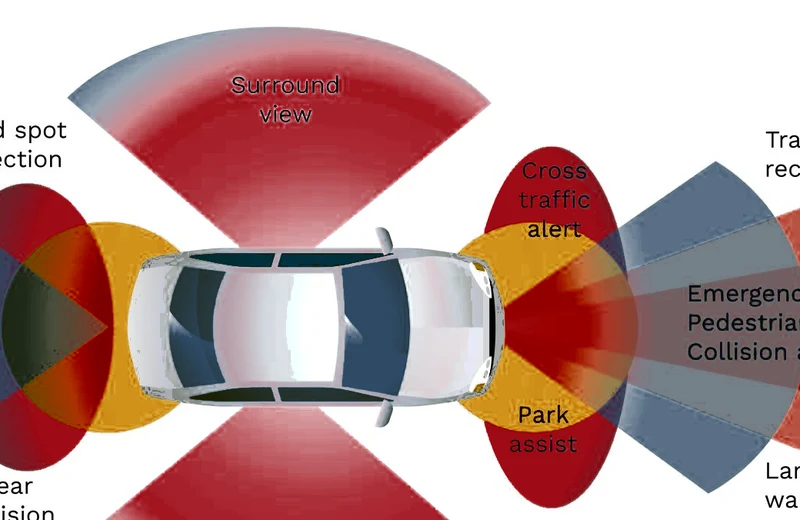 Around-view 360°
The stitched bird’s-eye view, aligned on calibration mats.
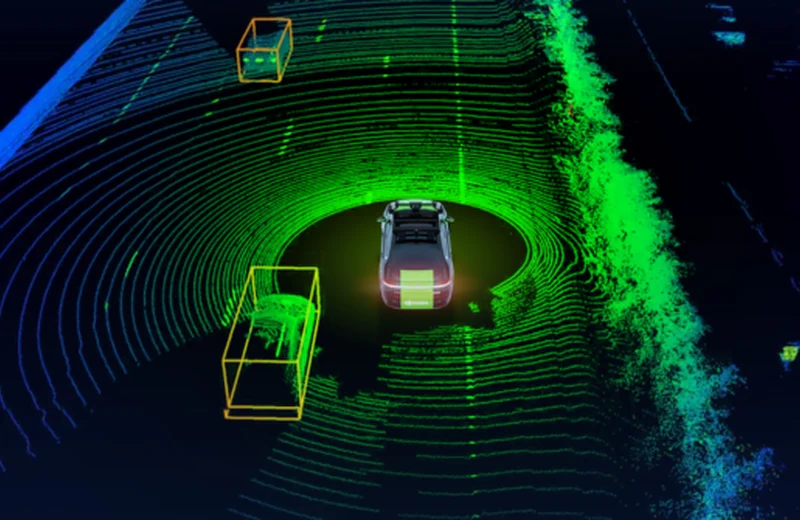 Lidar & night vision
A laser that maps the road ahead with light, and cameras that can see in the dark.
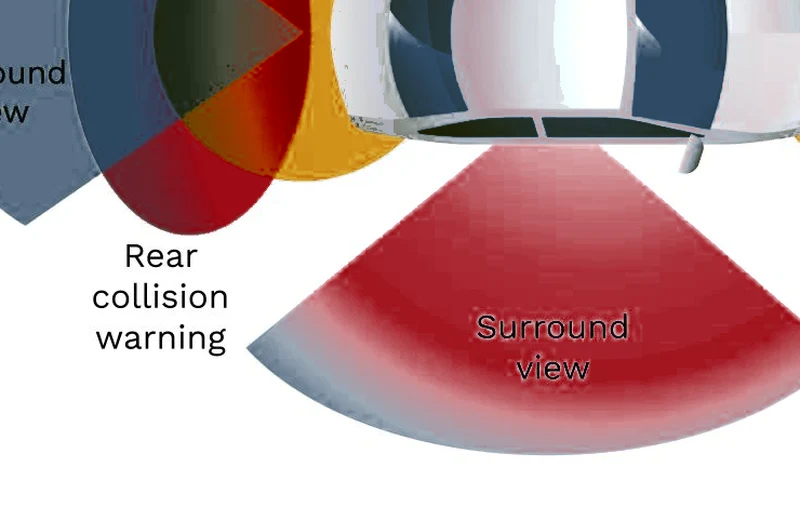 Rear collision warning
Rear-facing radar that watches what approaches.
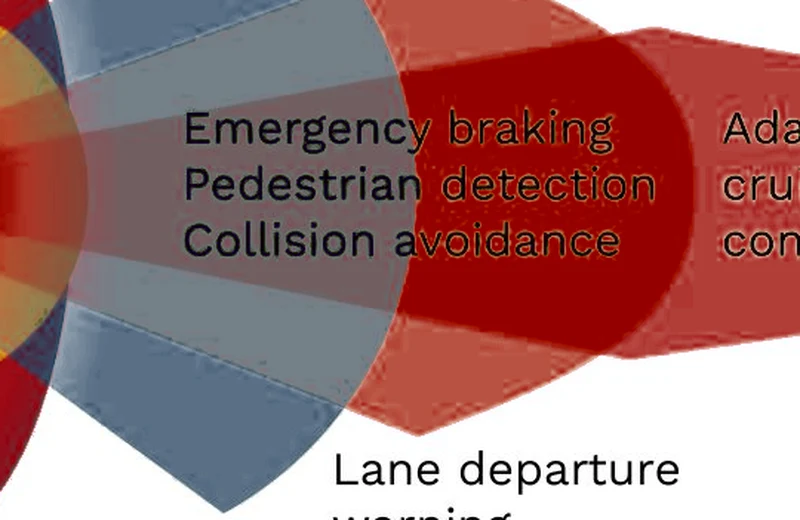 Emergency braking & pedestrian detection
The system that brakes by itself when something stops — or steps — in front of you.
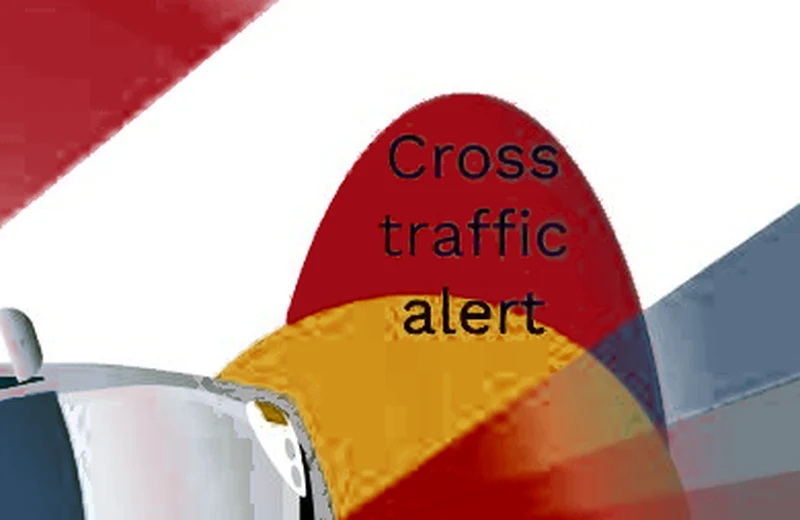 Cross-traffic alert
The warning that watches both ways while you back out of a space.
An honest note, the same one the manufacturers print: today’s cars sit at what engineers call Level 2 — the car can steer and brake with you, but you are always the driver. Assistance systems reduce risk; they do not replace you. Our work is to make sure they perform exactly as the factory designed them to.
WHY IT MATTERS
40%
of crashes could be prevented
37%
of injuries could be prevented
29%
of deaths could be prevented
*According to a study by the AAA Foundation for Traffic Safety — when these systems work, and are aimed, exactly as designed.
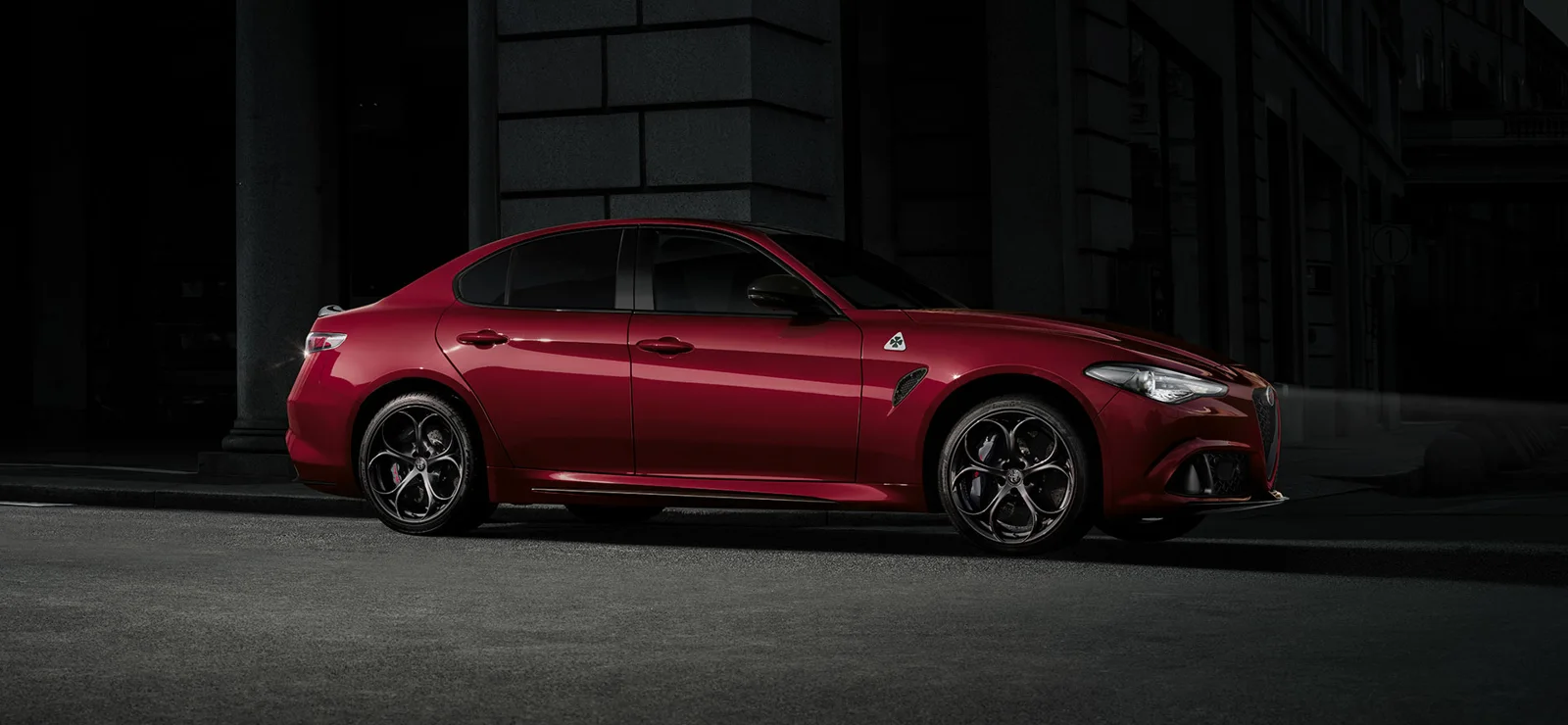
ADAS, OUT IN THE WORLD
Night — the headlights and the radar see first.
WHEN IT IS REQUIRED
Repairs that require calibration
The factory requires calibration after any repair that can move a camera, a radar — or the car under them. If your car has had any of these, its systems are due:
✓ Windshield replacement
✓ Camera or sensor replacement
✓ Collision or impact, however light
✓ Body or bumper work near a sensor
✓ Hail damage
✓ Tire size change or non-OEM tires
✓ Suspension work or ride-height change
✓ Wheel alignment
✓ Steering or chassis repair
✓ A windshield camera that was unplugged
✓ An ADAS warning light or a stored fault code
No warning light does not mean no problem — a mis-aimed system usually stays silent and simply reads the road wrong. The pre-scan tells us, in writing, where yours stands. It is why the manufacturers recommend a safety-system check as part of routine maintenance — not only after a repair.
ONE SYSTEM, TWO JOBS
Alignment first. Calibration second.
One machine.
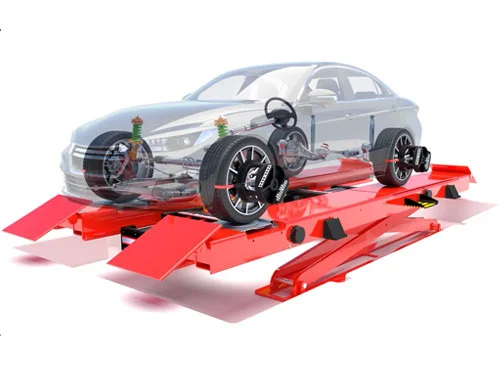
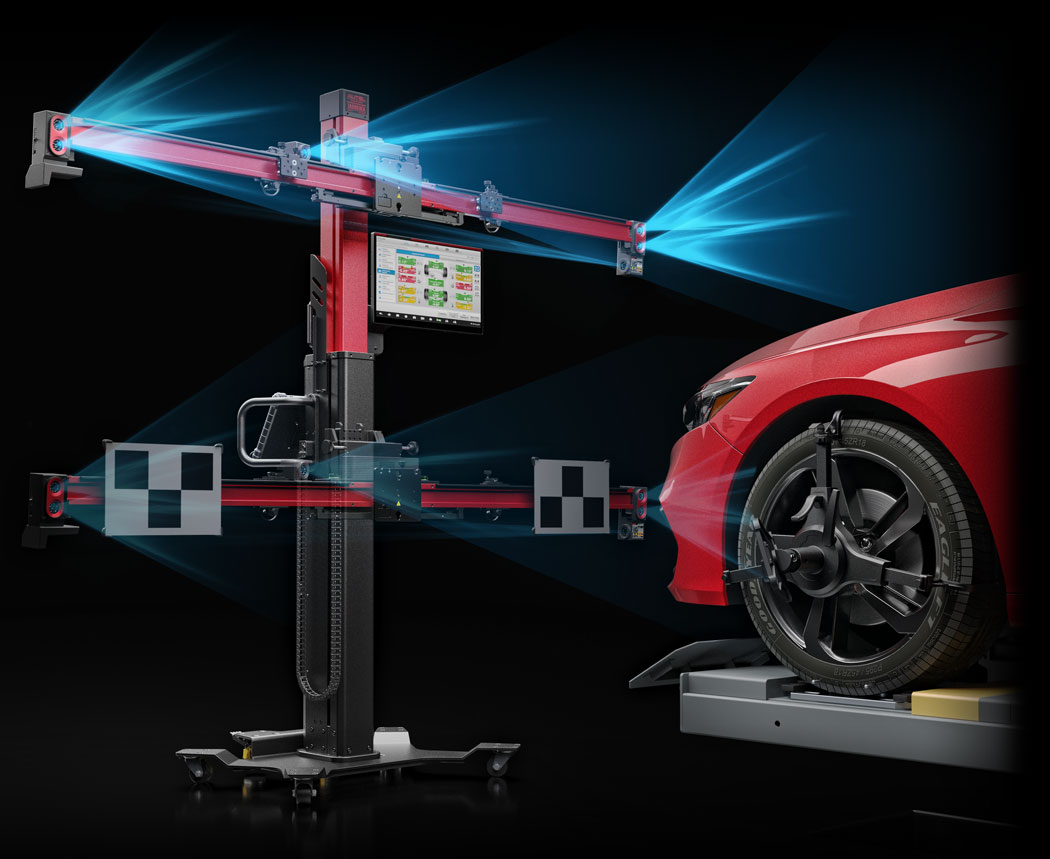
A car that rolls crooked cannot calibrate straight — so the IA900WA starts where calibration must start: with a digital four-wheel alignment — measured by cameras and lasers, never by eye — read by six self-calibrating cameras, with ride height taken by laser targets. Then the same frame positions its targets robotically — height, pitch, roll and center set at the push of a button — and the calibration runs from our MaxiSys Ultra ADAS to the factory procedure of your brand, static — parked here, aimed at measured targets — or dynamic, at road speed, exactly where the factory asks for it.
We used to send this work out. In 2024 we brought it home: the equipment is ours, the work happens here, and the responsibility carries one name — ours.
Digital alignment
Full geometry, tires, brakes, suspension and steering inspected first.
Robotic target placement
Crossbar from 6 inches to 7 feet, positioned and validated by the system.
Documented, start to finish
Pre-scan, alignment readings, calibration record and post-scan — in writing.
WHAT IT COSTS
Market price, in writing
There is no single price for a calibration — the car sets it. Brand, systems fitted and the factory procedure behind them all move the number: a Lamborghini does not calibrate like a Giulia, and some systems are set with our own equipment while others require a session in the manufacturer’s own software. Whatever yours needs, it is measured first and quoted as one written job before any work begins — priced on your car, in writing, no surprises at the counter.
We don’t guess prices. We measure the car, then we put it in writing.
BY BRAND
The eleven brands of this house
Every one of them calibrated by its own factory procedure. Tap your brand — see the systems it carries, where its eyes live, and what puts them out of aim.
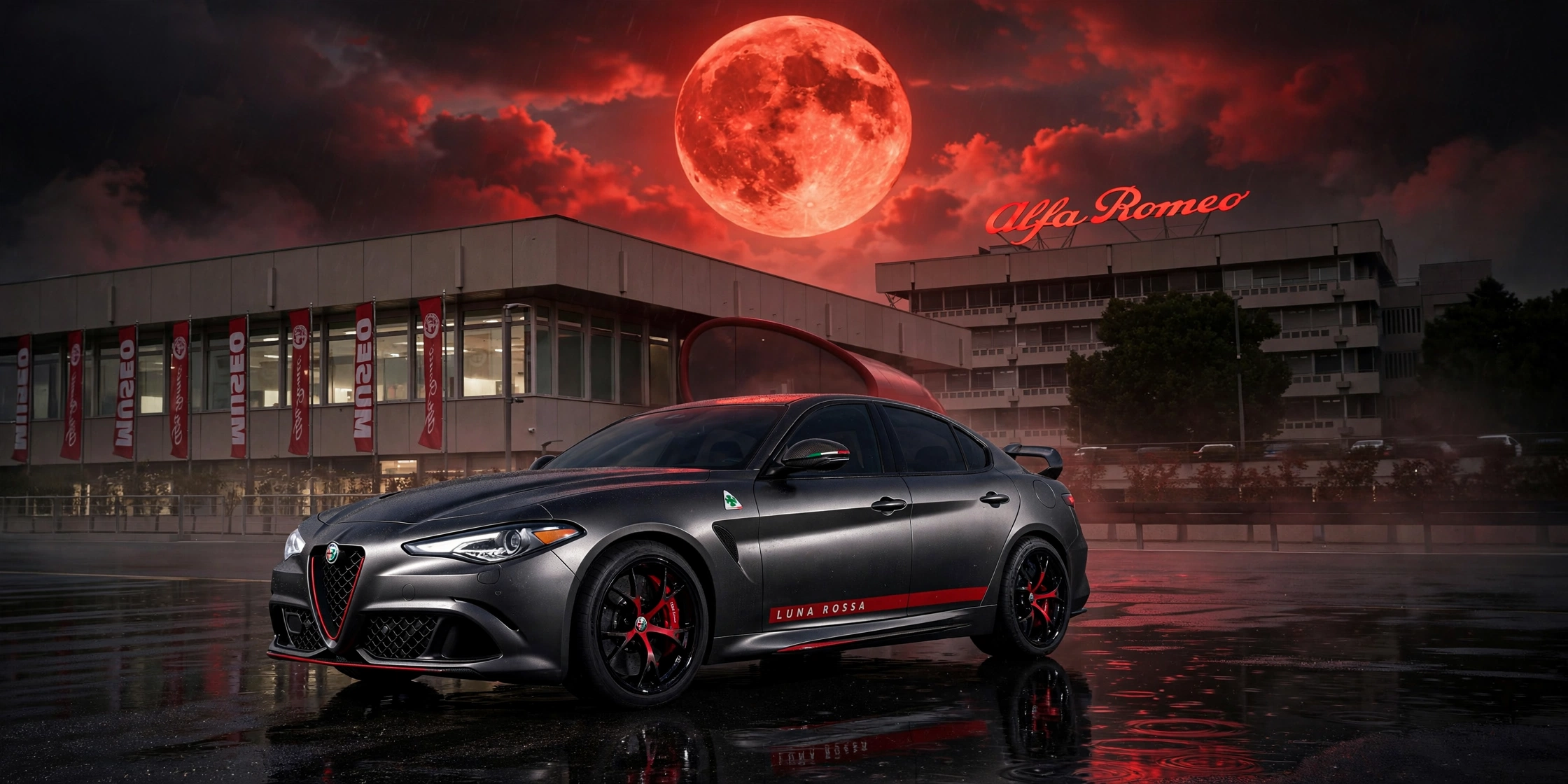
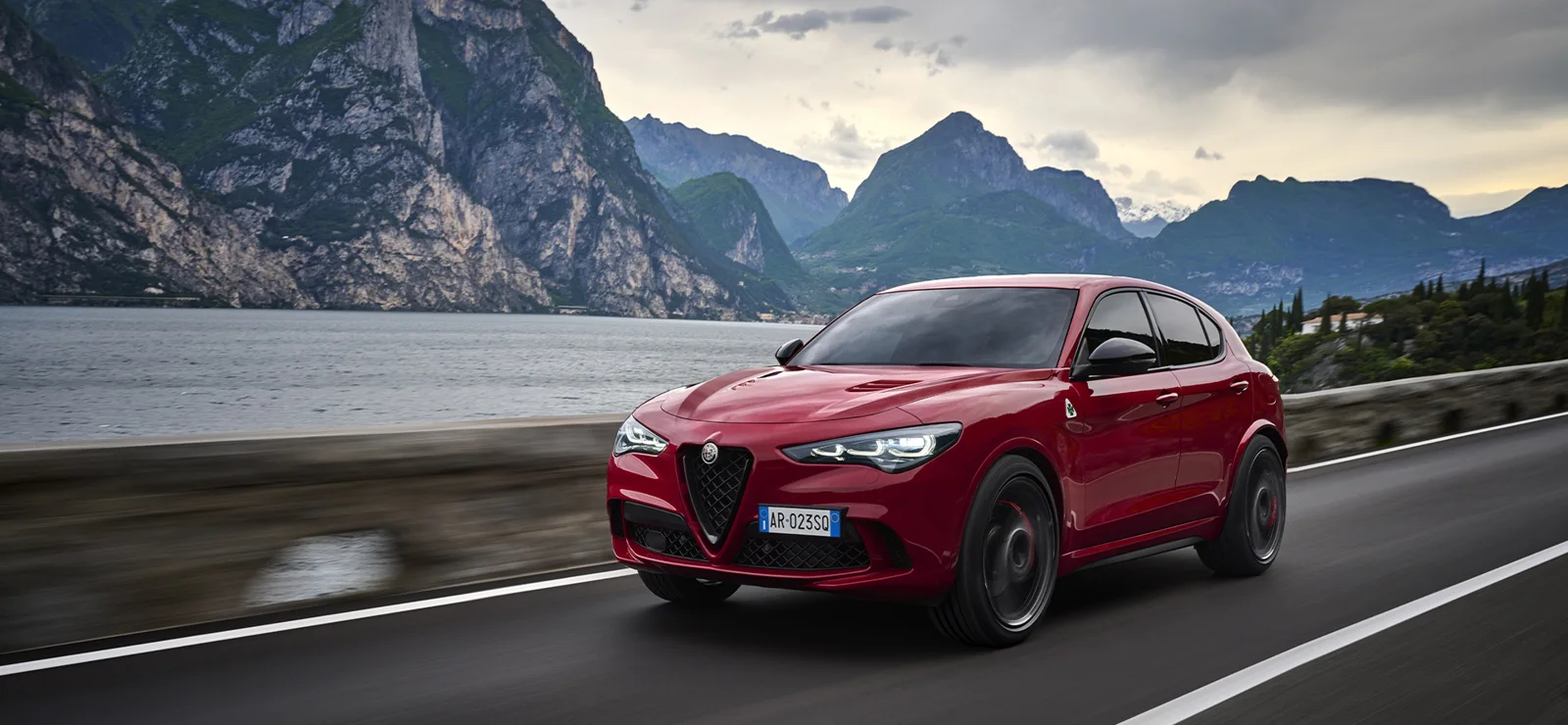
Your Alfa Romeo reads the road with Highway Assist and Traffic Jam Assist — holding its lane and its distance, in traffic and on the highway.
Where its eyes live — a camera behind the windshield, a radar behind the front grille.
What puts it out of aim — a windshield replacement, front-end or bumper work, a wheel alignment, suspension work, or a replaced camera or radar.
Calibrated here by Alfa Romeo’s own factory procedure — measured first, quoted in writing.
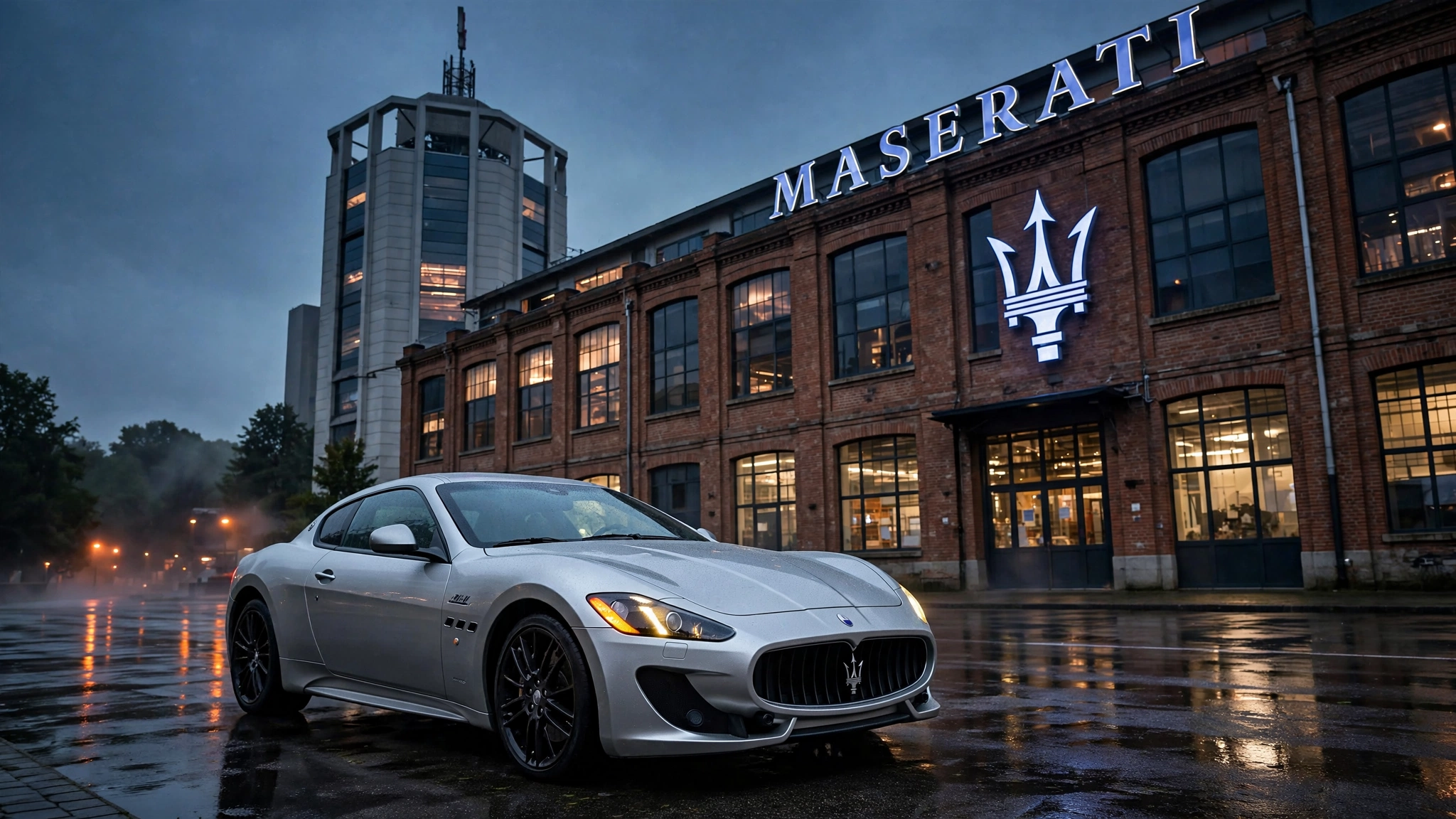
Your Maserati pairs Highway Assist up front with a surround-view system that stitches its cameras into one bird’s-eye picture of the car.
Where its eyes live — a camera behind the windshield, a radar at the front, and cameras in the mirrors, grille and tailgate.
What puts it out of aim — a windshield replacement, bumper or mirror work, a wheel alignment, suspension work, or a replaced camera or radar.
Calibrated here by Maserati’s own factory procedure — measured first, quoted in writing.
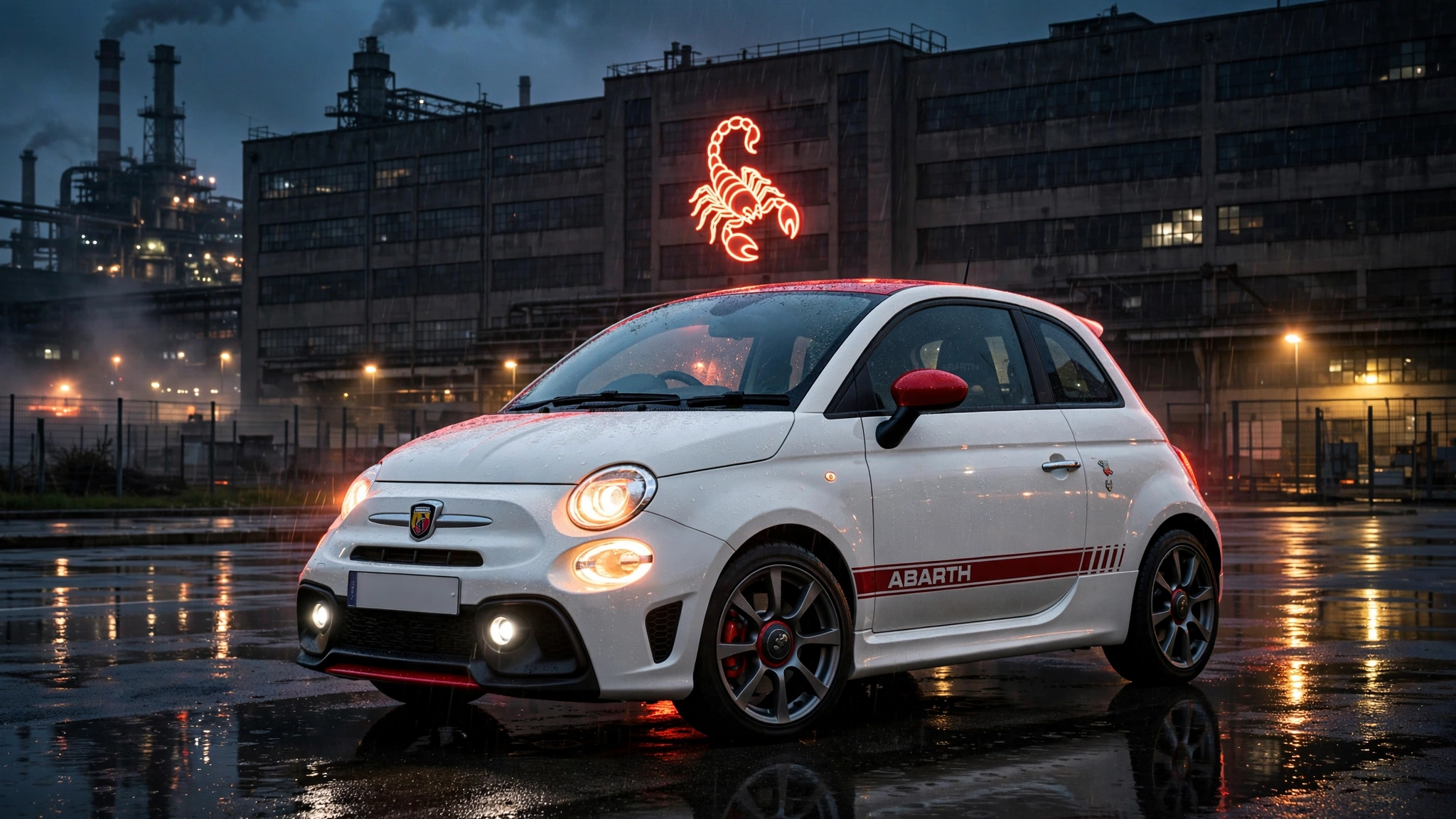
Your Abarth or Fiat watches the lane lines and the traffic ahead with its lane and cruise assistance — small car, full set of eyes.
Where its eyes live — a camera behind the windshield, and a radar on equipped models.
What puts it out of aim — a windshield replacement, front-end or bumper work, a wheel alignment, suspension work, or a replaced camera or radar.
Calibrated here by Abarth and Fiat’s own factory procedure — measured first, quoted in writing.
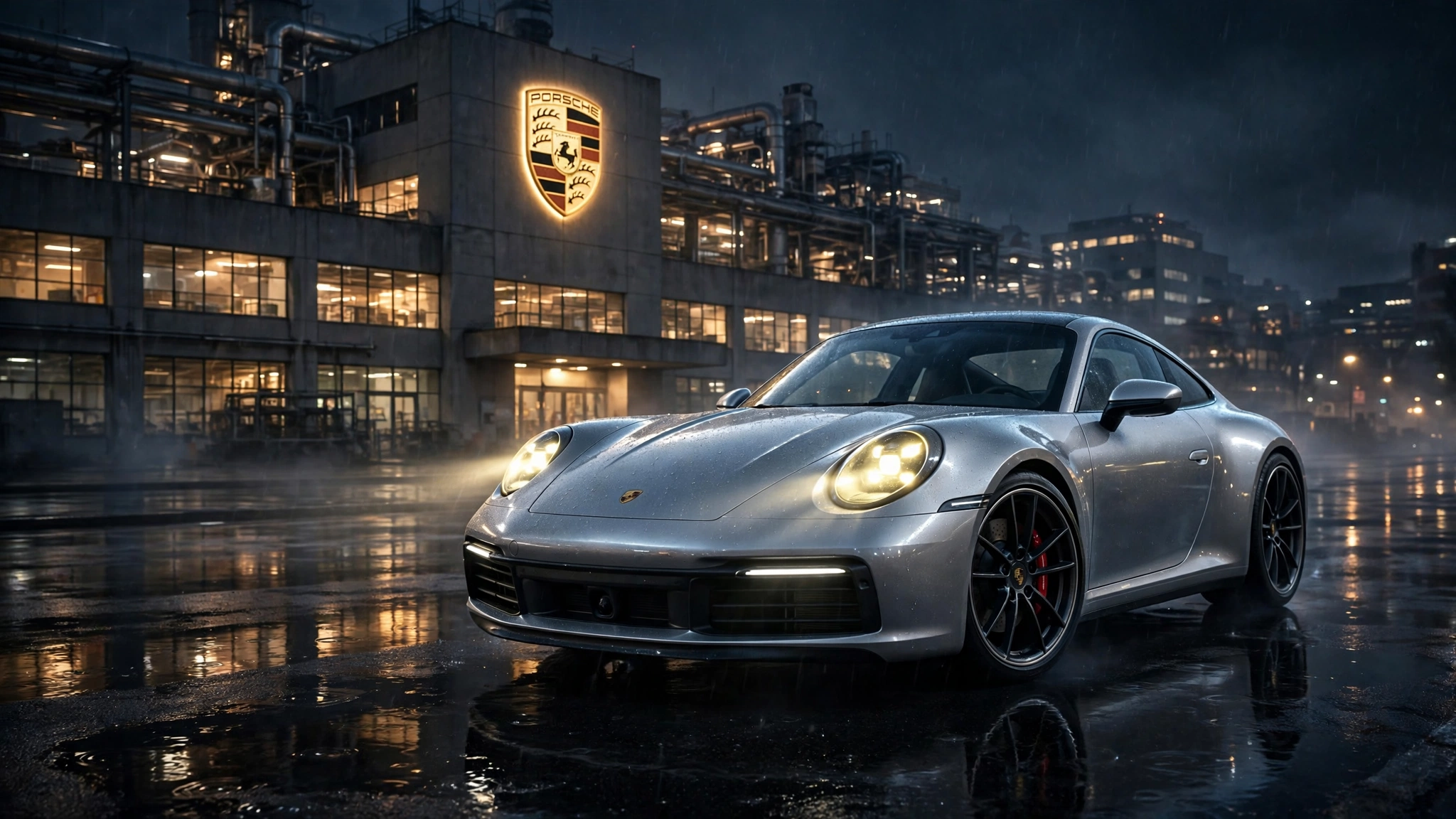
Your Porsche reads the road ahead with InnoDrive — signs, curves and traffic — while Lane Keep Assist holds the line.
Where its eyes live — a camera behind the windshield, a radar behind the front bumper, and surround cameras on equipped cars.
What puts it out of aim — a windshield replacement, bumper or mirror work, a wheel alignment, suspension work, or a replaced camera or radar.
Calibrated here by Porsche’s own factory procedure — measured first, quoted in writing.
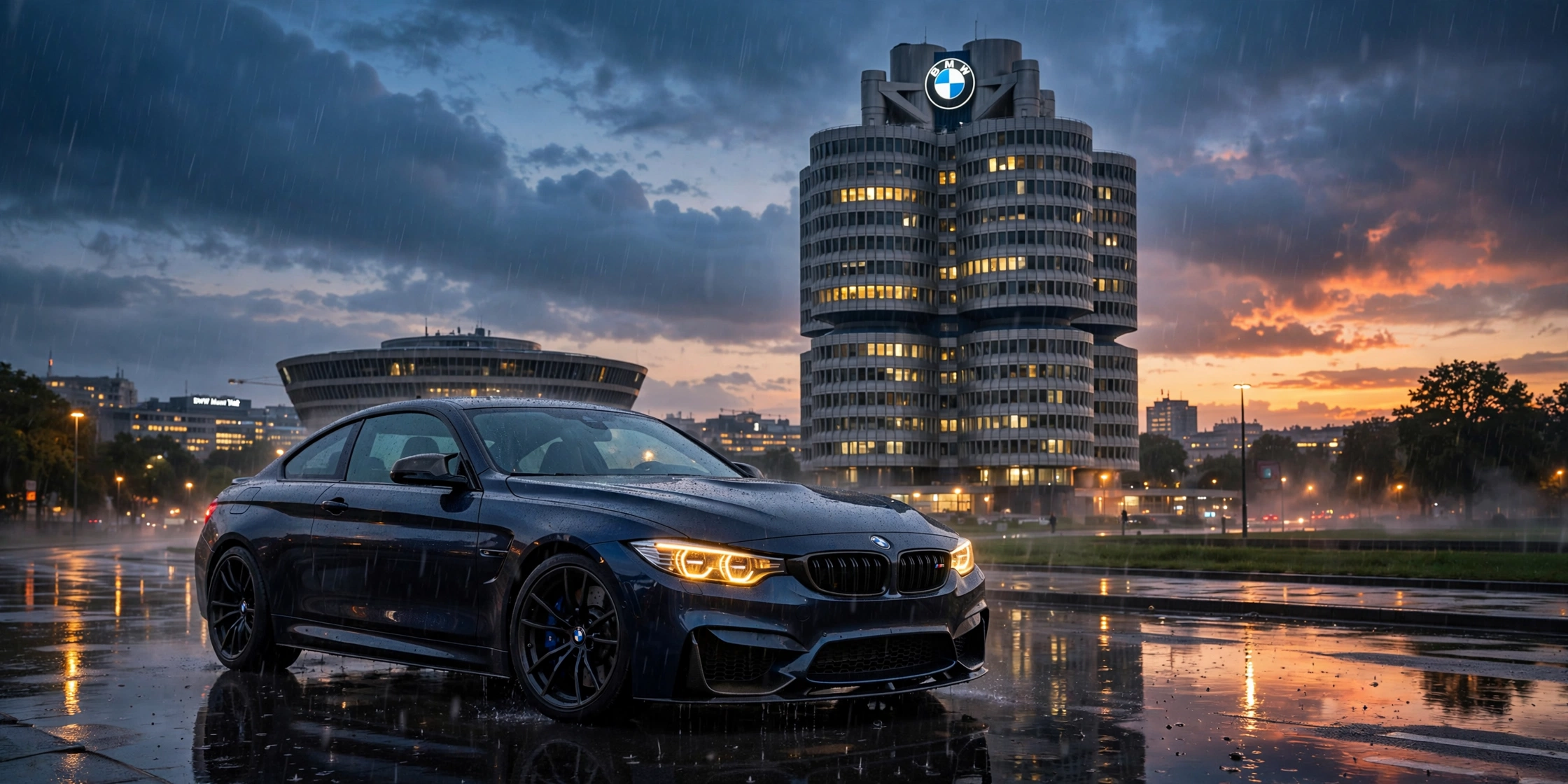
Your BMW’s Driving Assistant watches the front, the sides and the blind spots — one system of eyes working as one.
Where its eyes live — a camera cluster behind the windshield, a radar behind the front bumper, and sensors at the rear corners.
What puts it out of aim — a windshield replacement, front-end or bumper work, a wheel alignment, suspension work, or a replaced camera or radar.
Calibrated here by BMW’s own factory procedure — measured first, quoted in writing.
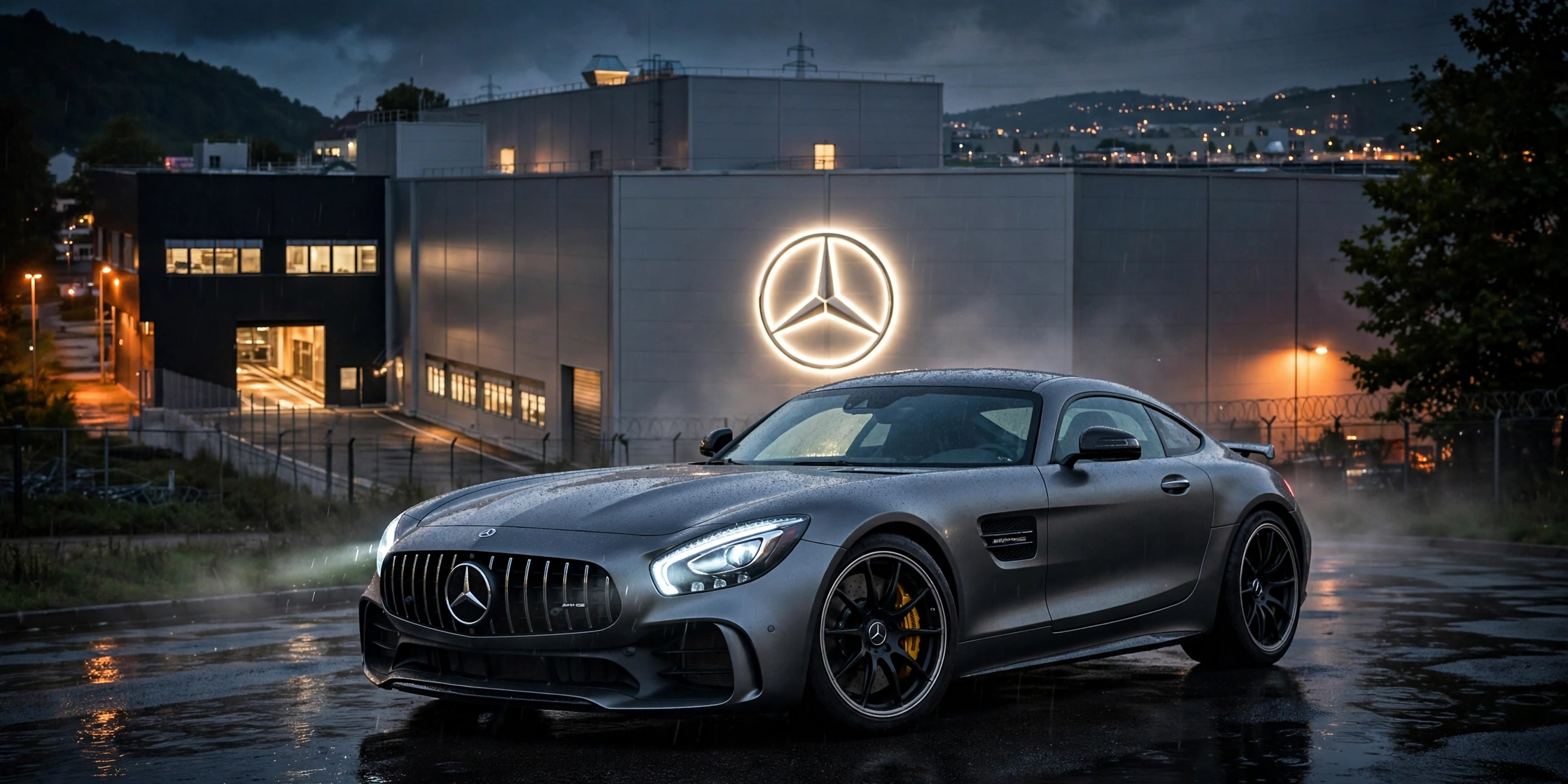
Your Mercedes holds its distance with DISTRONIC and watches the lane lines with Active Lane Keeping — the original driver-assistance house.
Where its eyes live — a stereo camera behind the windshield, and a radar behind the star in the grille.
What puts it out of aim — a windshield replacement, grille or bumper work, a wheel alignment, suspension work, or a replaced camera or radar.
Calibrated here by Mercedes-Benz’s own factory procedure — measured first, quoted in writing.
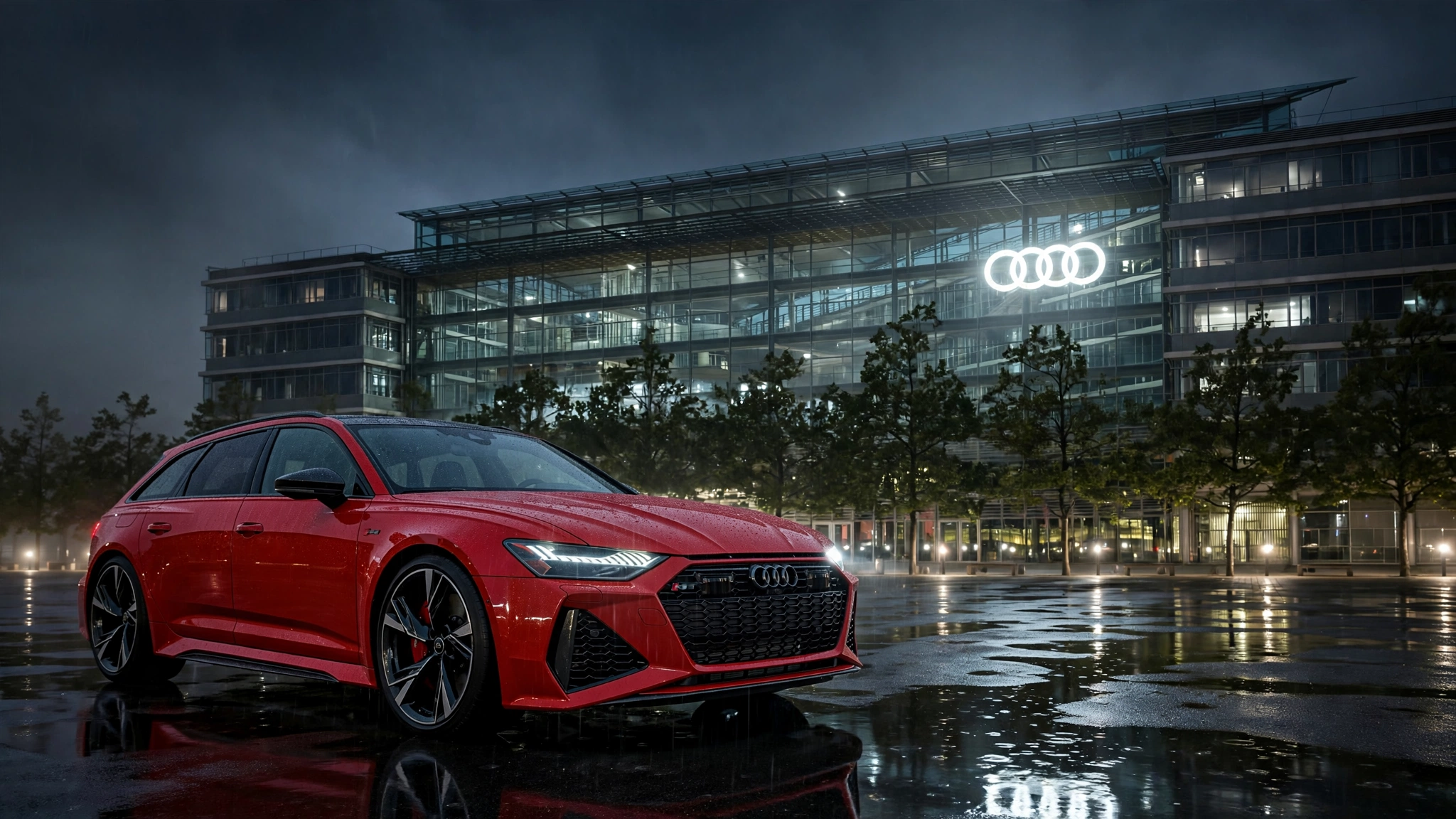
Your Audi’s pre sense watches for the collision before you see it, and adaptive cruise assist holds speed, distance and lane together.
Where its eyes live — a camera behind the windshield, and radars in the front corners.
What puts it out of aim — a windshield replacement, front-end or bumper work, a wheel alignment, suspension work, or a replaced camera or radar.
Calibrated here by Audi’s own factory procedure — measured first, quoted in writing.
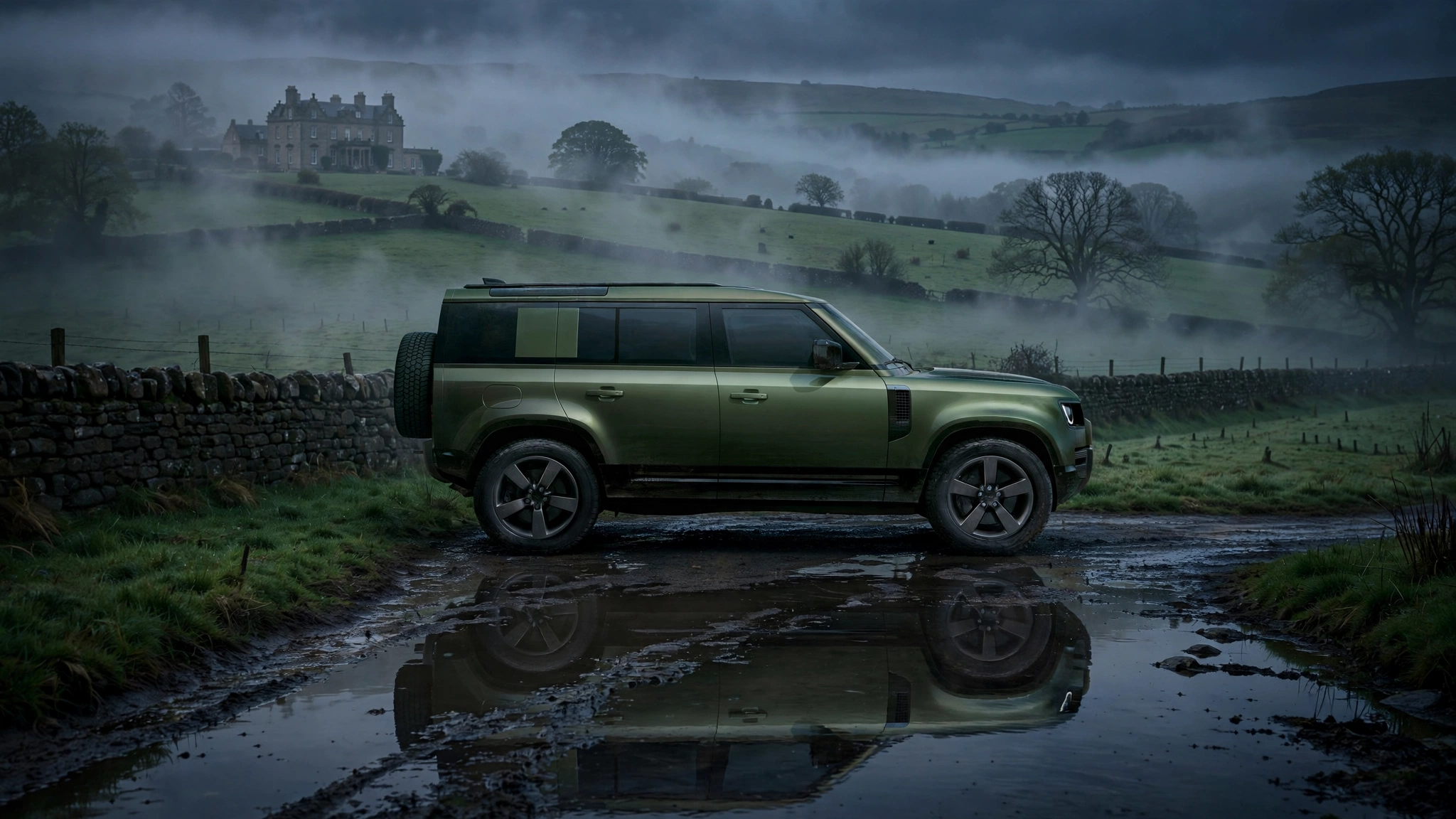
Your Land Rover’s ClearSight turns cameras into your rear view — and even a view through the hood on the trail — while adaptive cruise holds distance on the road.
Where its eyes live — a camera behind the windshield, a radar at the front, and cameras in the mirrors and the roof antenna.
What puts it out of aim — a windshield replacement, bumper or mirror work, a wheel alignment, suspension or lift work, or a replaced camera or radar.
Calibrated here by Land Rover’s own factory procedure — measured first, quoted in writing.
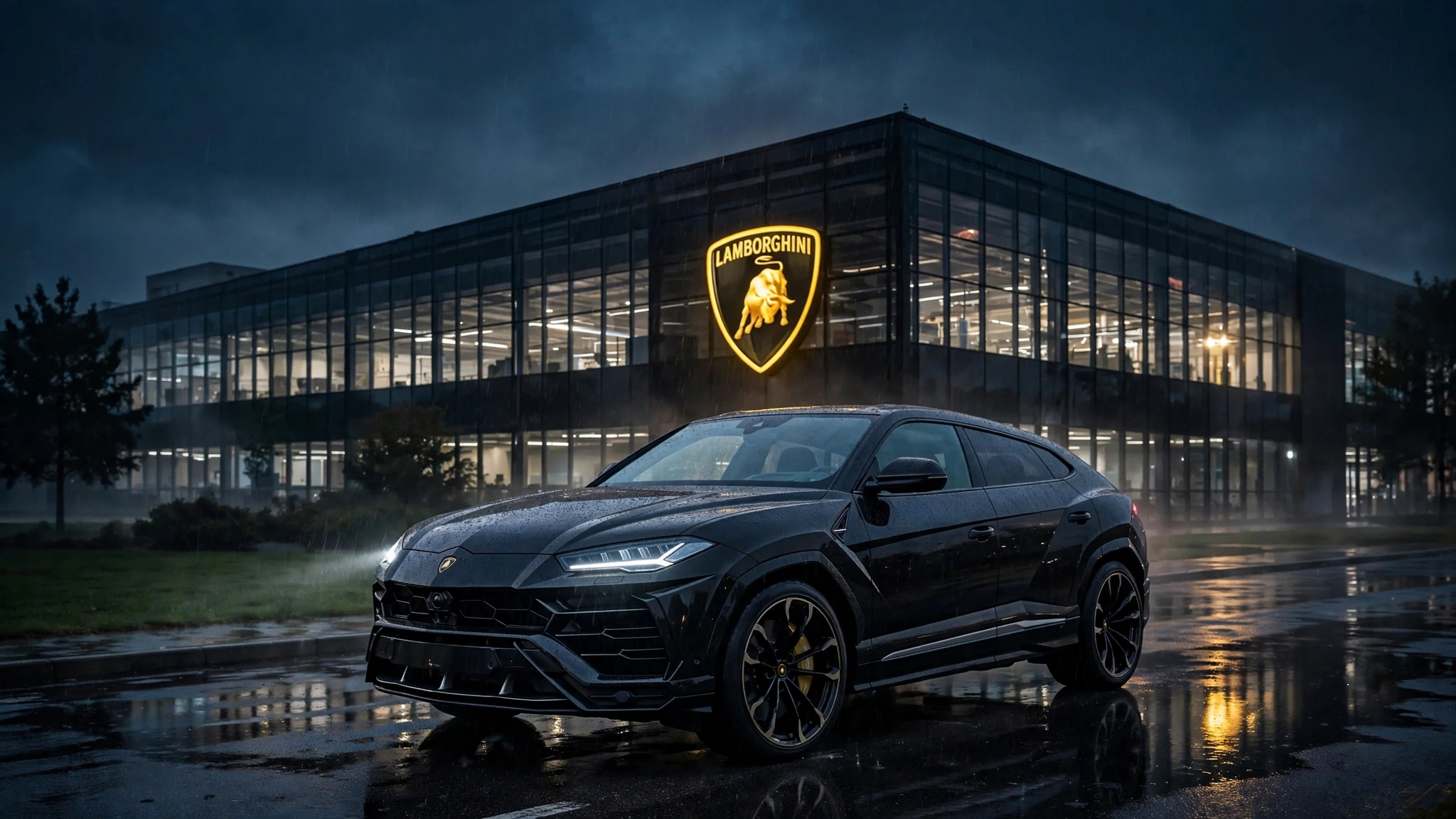
Your Urus carries a full assistance suite — cruise, lane and parking systems under one brain, in the fastest family SUV on the road.
Where its eyes live — a camera behind the windshield, and radars behind the front bumper.
What puts it out of aim — a windshield replacement, front-end or bumper work, a wheel alignment, suspension work, or a replaced camera or radar.
Calibrated here by Lamborghini’s own factory procedure — measured first, quoted in writing.
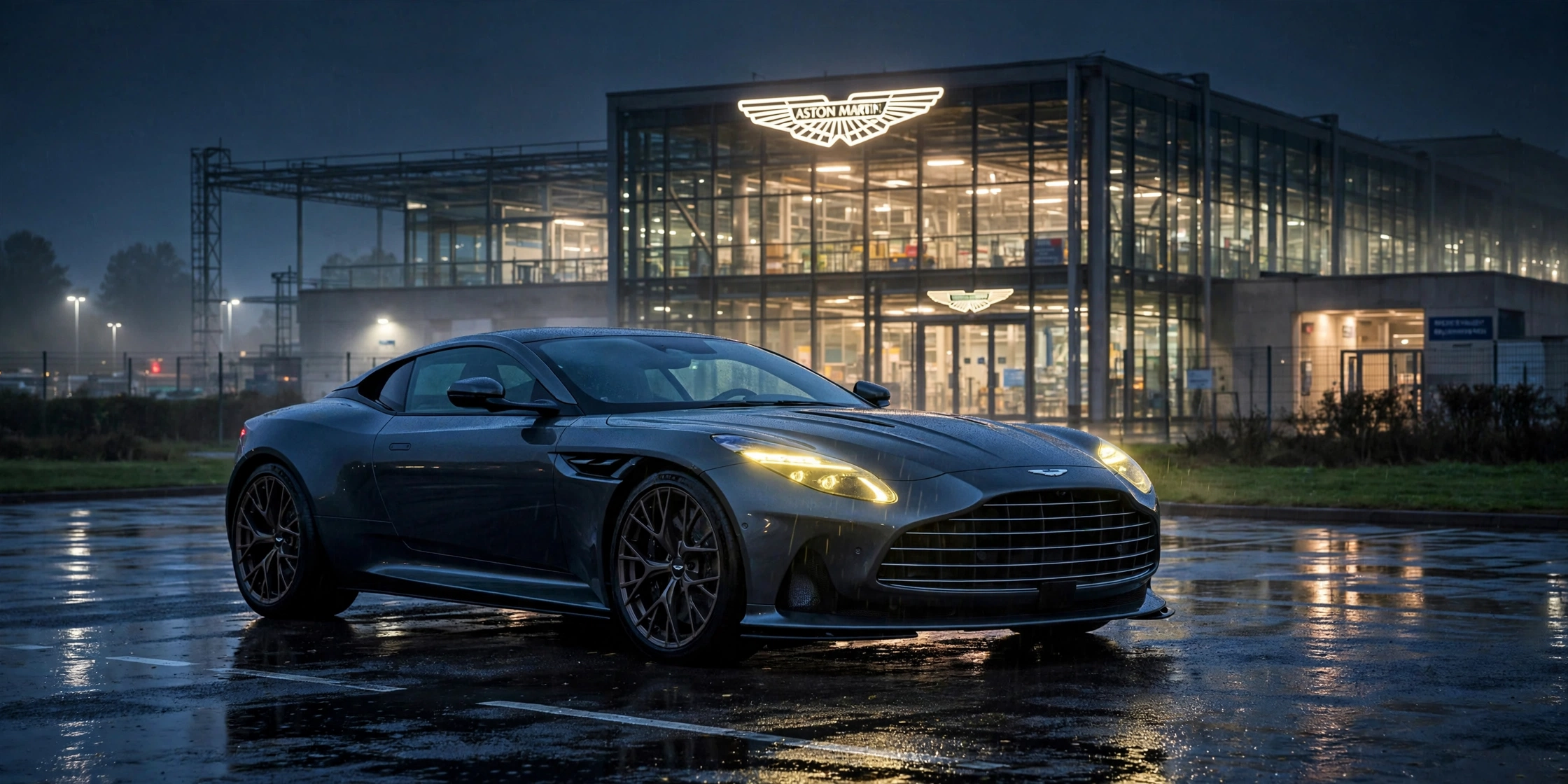
Your Aston Martin watches ahead with its camera and radar assistance — discreet systems in a hand-built car, calibrated to the same standard.
Where its eyes live — a camera behind the windshield, and a radar behind the grille.
What puts it out of aim — a windshield replacement, grille or bumper work, a wheel alignment, suspension work, or a replaced camera or radar.
Calibrated here by Aston Martin’s own factory procedure — measured first, quoted in writing.
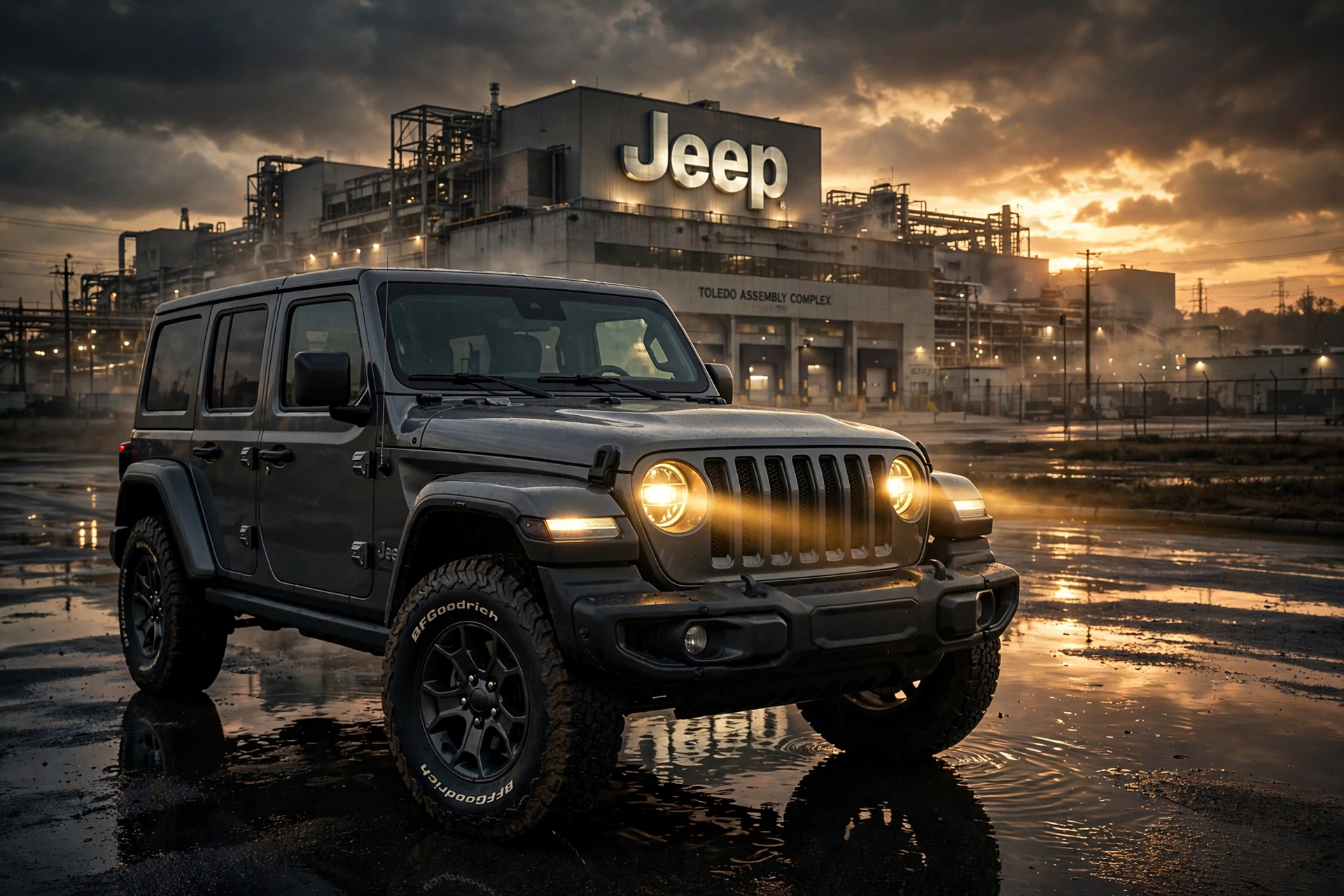
Your Wrangler or Gladiator carries forward collision warning, blind-spot monitoring and adaptive cruise — on a truck whose windshield folds and whose bumpers come off for the trail, aim matters even more.
Where its eyes live — a camera behind the windshield, a radar in the front bumper, and blind-spot sensors at the rear.
What puts it out of aim — a windshield replacement — or folding it down — bumper or body work, a lift or suspension work, a wheel alignment, or a replaced sensor.
Calibrated here by Jeep’s own factory procedure — measured first, quoted in writing.
QUESTIONS
Before you ask
There is no single price — the car sets it: brand, the systems fitted, and whether the calibration runs on our equipment or needs a session in the manufacturer’s software. So every car is measured first and quoted in writing as one job — the number you approve is the number you pay.
Yes — the forward camera lives behind that glass, and even a millimeter of difference changes its aim. The factory requires calibration after every windshield replacement on an equipped car.
Most single-system calibrations are completed the same day. Cars needing alignment plus several systems are quoted with their timeline in writing, before we start.
Yes. A mis-aimed camera or radar rarely lights a warning — it just reads the world slightly wrong, which is exactly when it matters. The pre-scan shows where yours stands, in writing.
Of course. Bring it in — we scan it, align it digitally and calibrate every affected system, and you leave with the full record. It is the step that closes the repair.
Book SERVIZIO
Fast turnaround, transparent diagnostics and honest service in Miami.
We confirm every booking personally.
Brands We Service