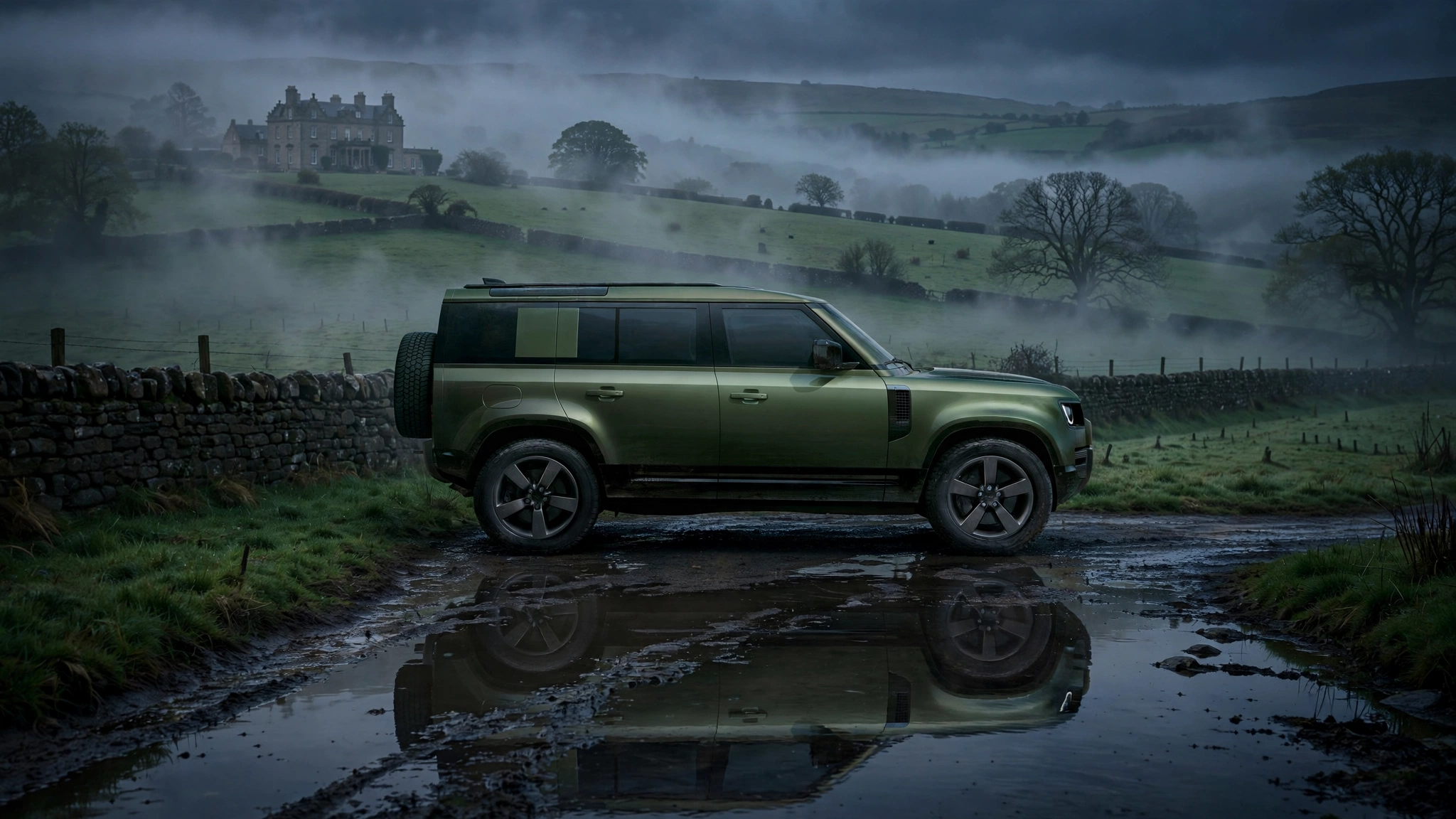
Jeep Is
Adventure, Maintained.
One hundred eighty-six Jeeps are in our system — Wranglers, Grand Cherokees, Gladiators, Cherokees. They live a double life in Miami: traffic on weekdays, trails and boat ramps on weekends. We maintain both lives — the 4x4 fluids and modules most shops skip, on the factory schedule, at an independent’s price.
From our own service records, October 2026 — records, regulars, and the owners who stop in just for advice. Not a brochure — a workload.
Every Jeep, Known by Heart.
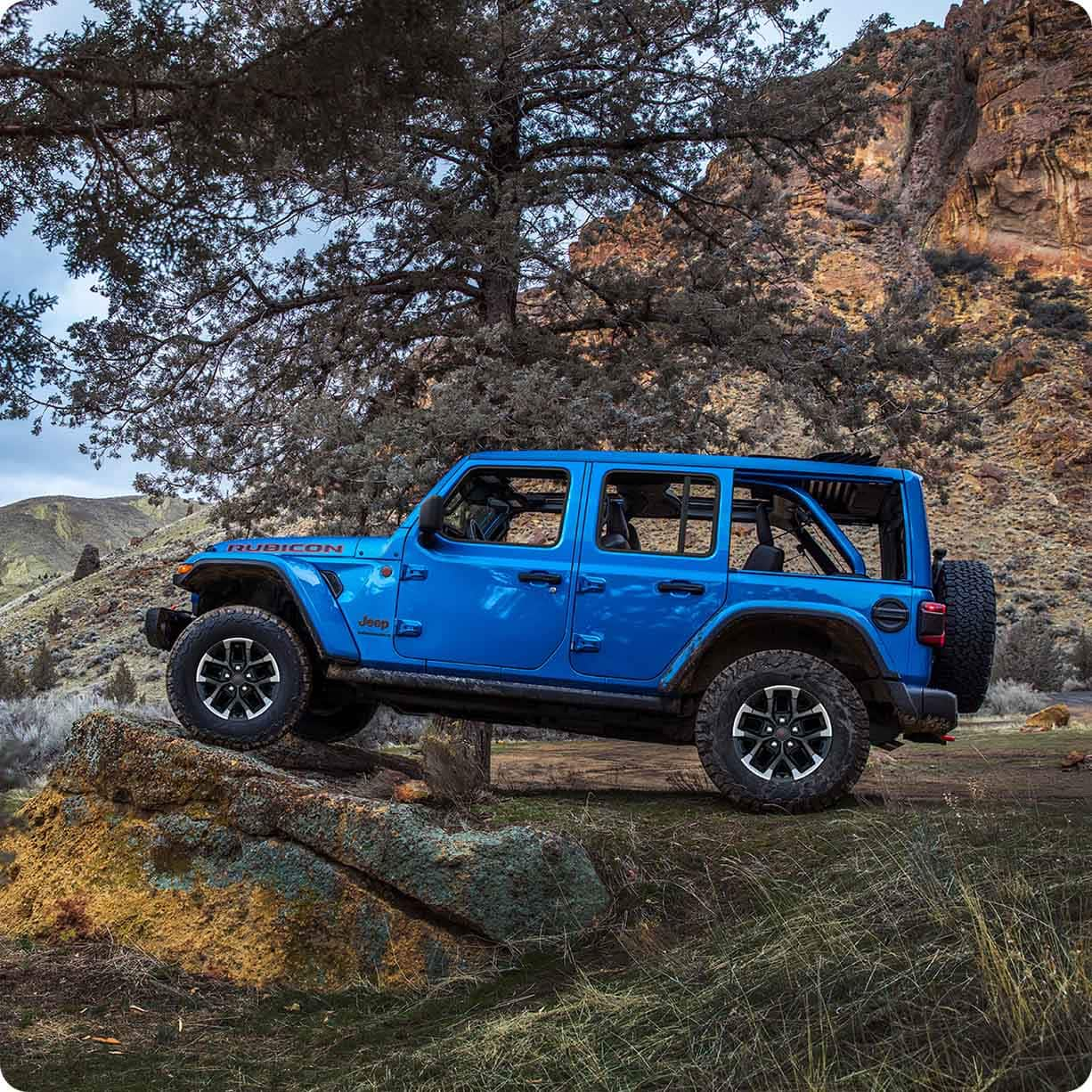
Wrangler
The icon — TIPM power modules, EVAP systems, camshaft and phaser work on the 3.6, and the transfer-case and axle fluids that trail life eats first.
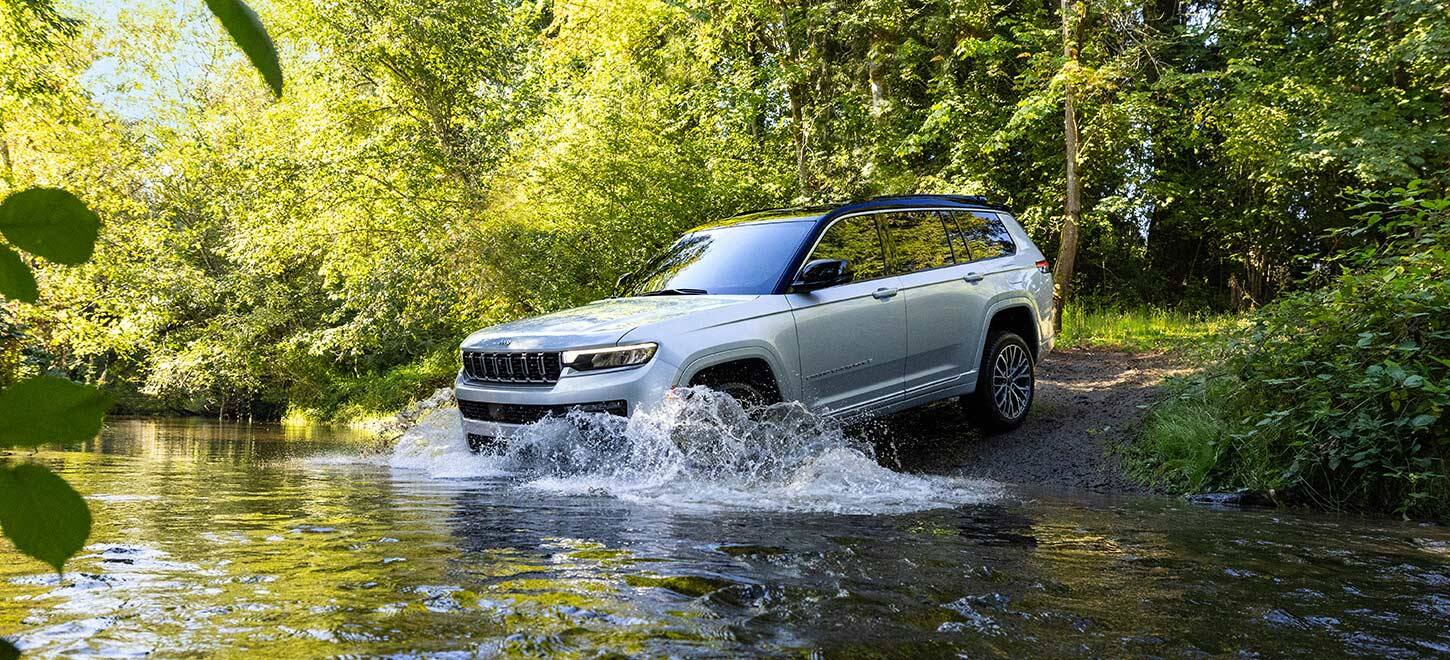
Grand Cherokee
The family flagship — air suspension, big tires and alignments, and cooling systems watched closely in Miami heat.
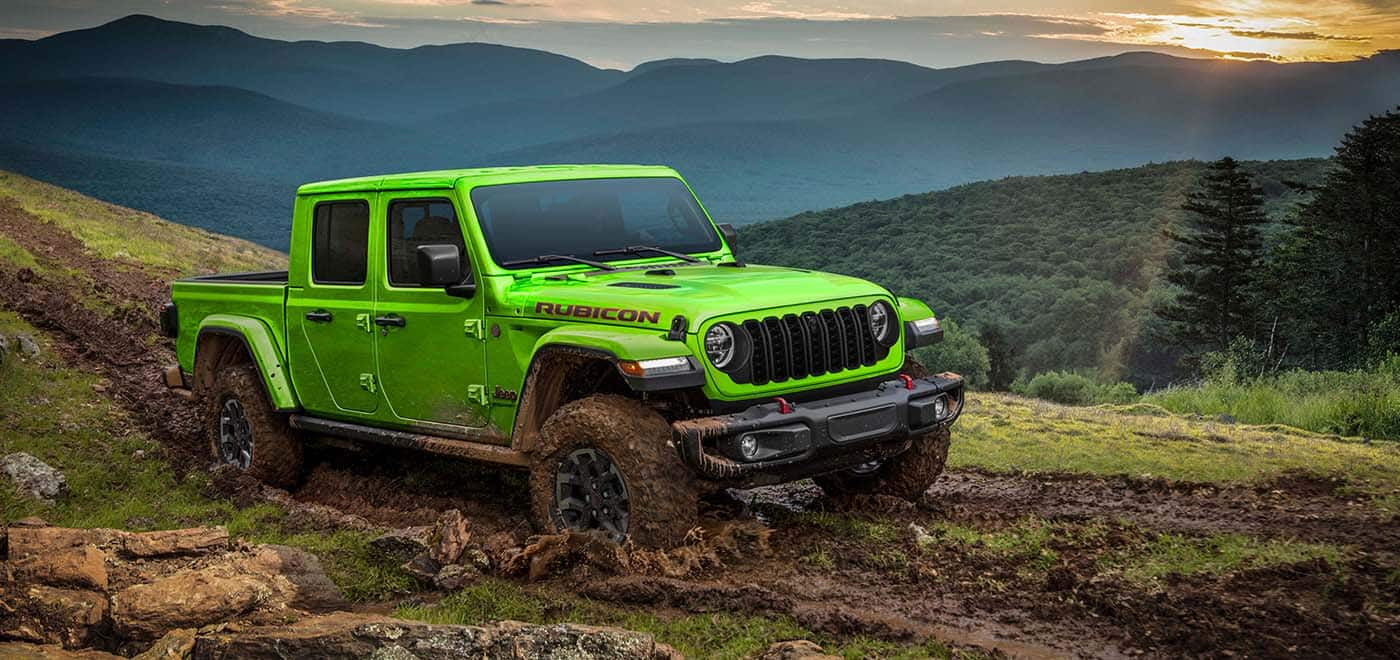
Gladiator
The Wrangler with a bed — same bones, same care: Mobil 1 oil services and inspections that assume it will be used like a Jeep.
Cherokee & Compass
The daily drivers — transmissions, batteries, and air conditioning that has to keep up with Miami, every single day.
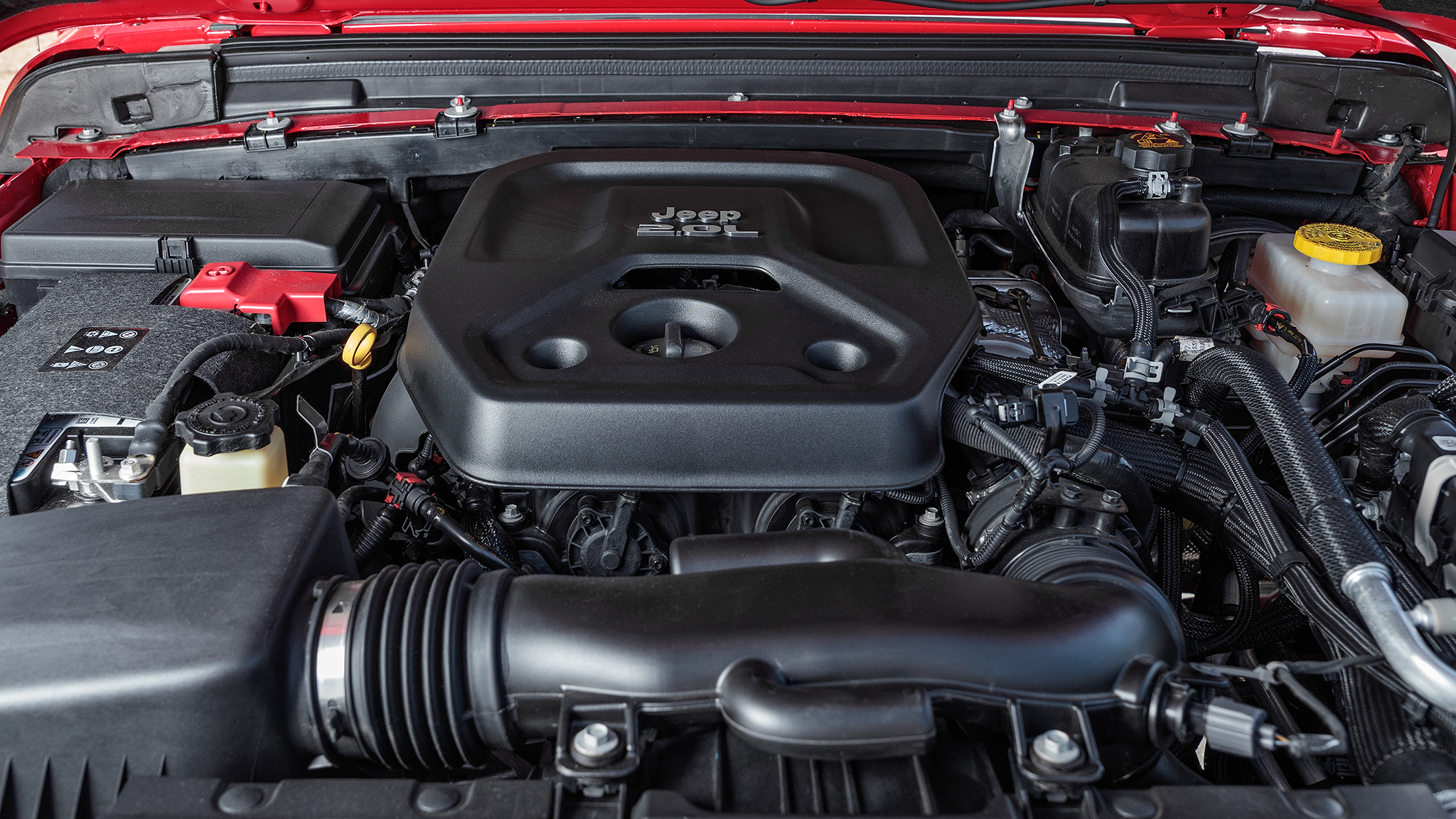
What We Do on Jeeps, Every Week.
TIPM & ELECTRICAL
The totally integrated power module behind half the “haunted Jeep” stories — diagnosed, replaced and programmed, with the ABS module and sensors on the same visit when they need it.
CAMSHAFT & PHASERS — 3.6 PENTASTAR
Camshafts, phasers, rocker arms and solenoids — a full top-end rescue on a Wrangler Unlimited is on our books.
4X4 FLUIDS
Transfer case, transmission and both differentials — the fluids that decide whether 4x4 works the day you actually need it.
OIL SERVICES
Mobil 1 synthetic at the weight your engine calls for — 0W-20 on the newer trucks — with the indicator reset and the record kept.
EVAP SYSTEMS
Canisters, vacuum pumps and caps — the check-engine light that is really the fuel system asking for air.
TIRES & ALIGNMENTS
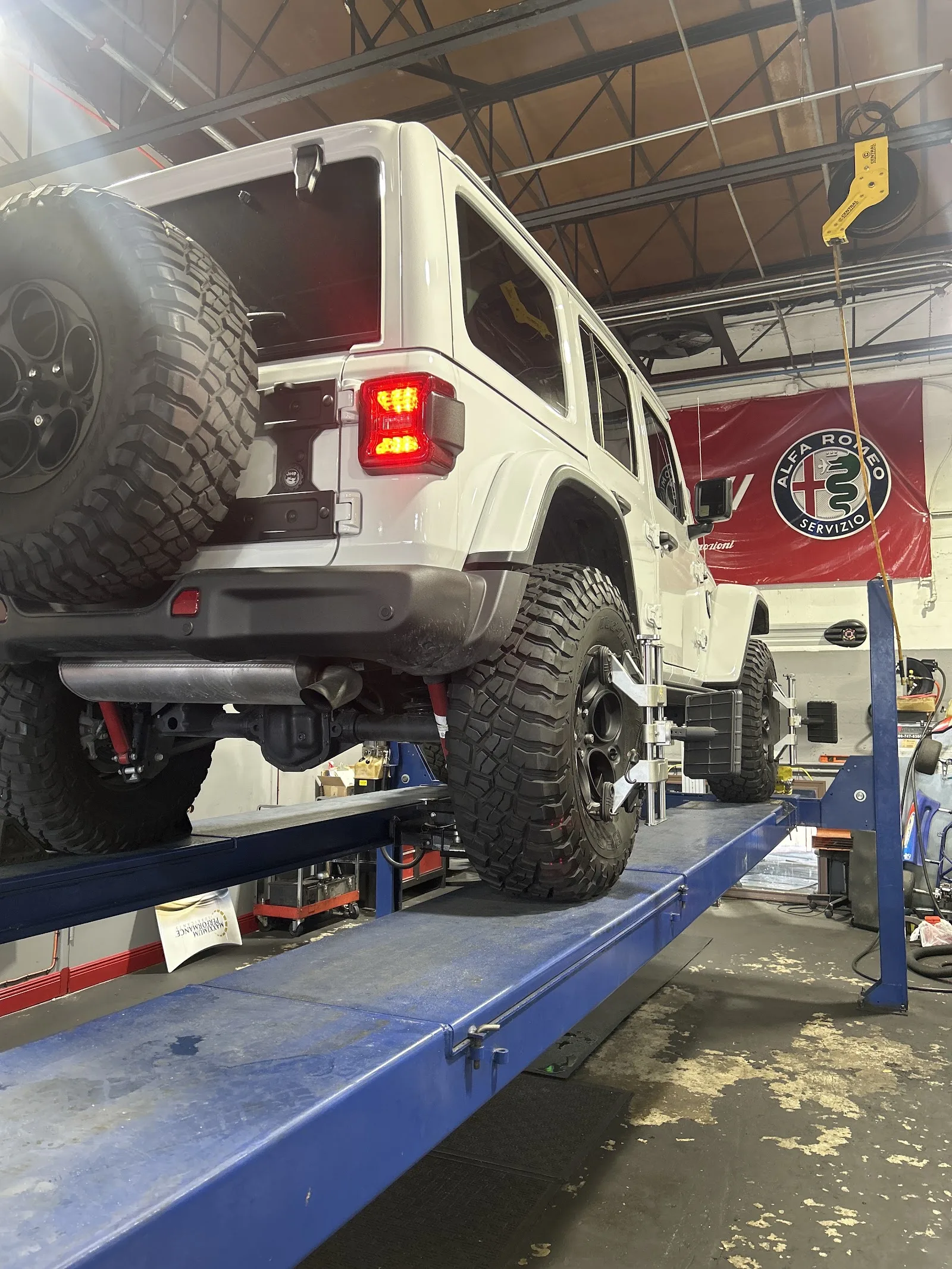
Oversize, all-terrain, daily — mounted, balanced and aligned on our own machines, steering wheel straight.
The Jeep Schedule, Kept.
Source: Jeep owner’s manual maintenance schedules (Wrangler JL and family). The oil-life indicator speaks first — these are its limits.
Oil & filter
The indicator decides; it is never allowed to pass 10,000 miles or 12 months. Tire rotation rides along.
Cabin air filter
Every 20,000 miles on gas models — 12,000 on the 4xe hybrid.
Transfer case & axle fluids
Inspected at 30,000-mile services; changed at 60,000 for towing, trail and severe use.
Spark plugs
The long-life plugs come due at 100,000 miles on the gas engines.
Engine coolant
Flush and replace at 10 years or 150,000 miles, whichever comes first.
Accessory belt & underbody
Belt inspected at every visit; suspension, tie rods and boots with it — replaced by condition, not by surprise.
Specialist note: Miami heat plus trail use puts most of our Jeeps on the severe schedule in spirit. And after deep water, axle and transfer-case fluids get checked, not guessed — water in a differential is a rebuild scheduled for later.
Common Failures. Already Fixed Here.
THE HAUNTED JEEP — TIPM
No-starts, random electrics, wipers with a mind of their own — the power module, on a 2013 Wrangler’s order.
3.6 TICK — CAMS AND ROCKERS
The Pentastar tick that turns into phasers, rocker arms and solenoids — fixed as a system, not a part at a time.
OIL FILTER ADAPTER LEAKS
The 3.6’s plastic housing weeps oil into the valley — caught on the same Unlimited’s visit.
ABS MODULE & SENSORS
Lights on the dash and a pedal that lies — module and wheel sensors tested, not guessed.
EVAP LEAKS
Small leak, big light — canister, vacuum pump or a cap that stopped sealing.
THINKING OF BUYING ONE?
4x4 engagement, frame and underbody, the 3.6’s top end and every fluid read — in writing, before you buy. SEE THE PPI →
Jeep was born in a hurry, for a war, and never really slowed down — it just traded battlefields for beaches, trails and boat ramps. The seven-slot grille is the most recognized face in the dirt. We keep it pointed wherever its owner points it.

“A Jeep is not maintained like a car. It is maintained like a promise — that it will bring you back.”
THE HOUSE VIEW
Your Jeep Belongs Here.
298+ of them are already in our system at 3970 NW 27th Street. Yours is welcome.
Book SERVIZIO